Understanding Flatbed Die Cutting Machines in 3 Minutes


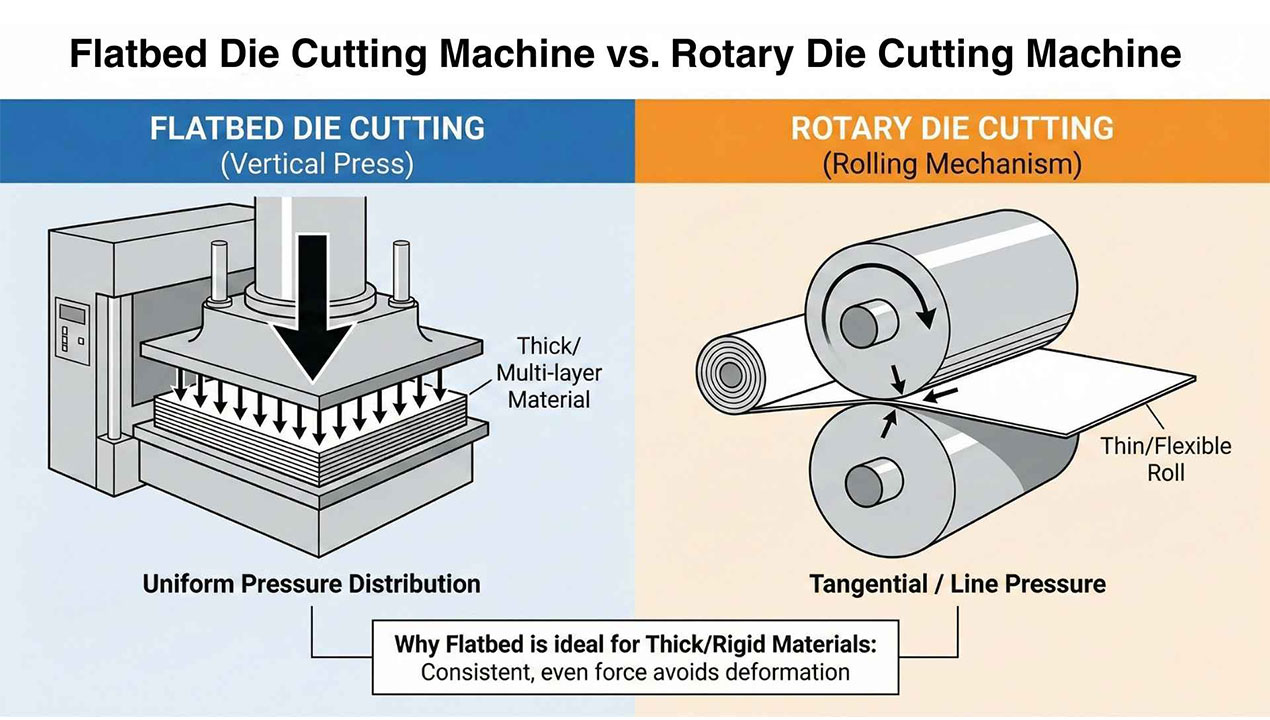
A Flatbed Die Cutting Machine is an industrial precision tool designed to stamp shapes from materials using a vertical press mechanism. Unlike rotary systems, it applies uniform hydraulic or electric force across the entire die. This makes it the standard solution for processing thick, rigid, or multi-layer materials—such as foam, rubber, and plastics—with exceptional dimensional accuracy.
What Is a Flatbed Die Cutting Machine?
Frequently referred to as a "flatbed die cutter," this specialized system executes cuts through a vertical pressing motion on a flat surface. While rotary systems rely on continuous rolling pressure, flatbed machines deliver direct, uniform force over the entire cutting area. This stability is crucial for industries requiring high precision for thick materials or complex multi-layer structures.
How a Flatbed Die Cutting Machine Works
Understanding the mechanics reveals why these machines deliver such consistent results. The operation is based on intermittent vertical compression:
- Placement: The material is positioned on a flat cutting table.
- Compression: A die is pressed downward using hydraulic or electric force.
- Distribution: Cutting pressure is evenly distributed across the die area.
- Retraction: The die retracts, and the finished part is removed. This mechanism ensures consistent cut quality, particularly for materials that cannot tolerate deformation during processing.
Hydraulic vs. Full-Electric Flatbed Die Cutting Machines
Choosing the right drive system is crucial for optimizing production efficiency. Here is a breakdown of the two main types.
Hydraulic Flatbed Die Cutting Machines
- Feature: Delivers maximum cutting force.
- Best For: Thick, dense, or multi-layer materials.
- Common Applications: Foam, rubber, leather, and composites.
Full-Electric Flatbed Die Cutting Machines
- Feature: Servo-driven for precision control.
- Best For: High speed, cleaner operation, and positioning accuracy.
- Common Applications: Thin sheets, films, and tight-tolerance parts.
| Drive Type | Best For | Key Advantage |
|---|---|---|
| Hydraulic | Thick & rigid materials | Maximum cutting force |
| Full-Electric | Precision sheet cutting | Speed & positioning accuracy |
Why Flatbed Die Cutting Machines Are Used in Industrial Production
Despite the high speed of rotary systems, flatbed cutters offer unique benefits essential for specific manufacturing needs:
- Material Versatility: Capable of processing thick, rigid, or multi-layer stacks.
- Dimensional Accuracy: Provides stable cutting pressure for critical industrial components.
- Flexible Tooling: Easily accommodates various part shapes and sizes with lower tooling costs.
Flatbed Die Cutting Machine vs. Rotary Die Cutting Machine
To help you decide which technology fits your production line, let's compare the key differences.
| Feature | Flatbed Die Cutting Machine | Rotary Die Cutting Machine |
|---|---|---|
| Cutting Motion | Vertical press | Continuous rolling |
| Material Type | Thick, rigid, multi-layer | Thin, flexible rolls |
| Cutting Force | High | Moderate |
| Production Speed | Medium | High |
| Best Use Case | Precision industrial parts | High-volume roll processing |
Typical Industrial Applications of Flatbed Die Cutting Machines
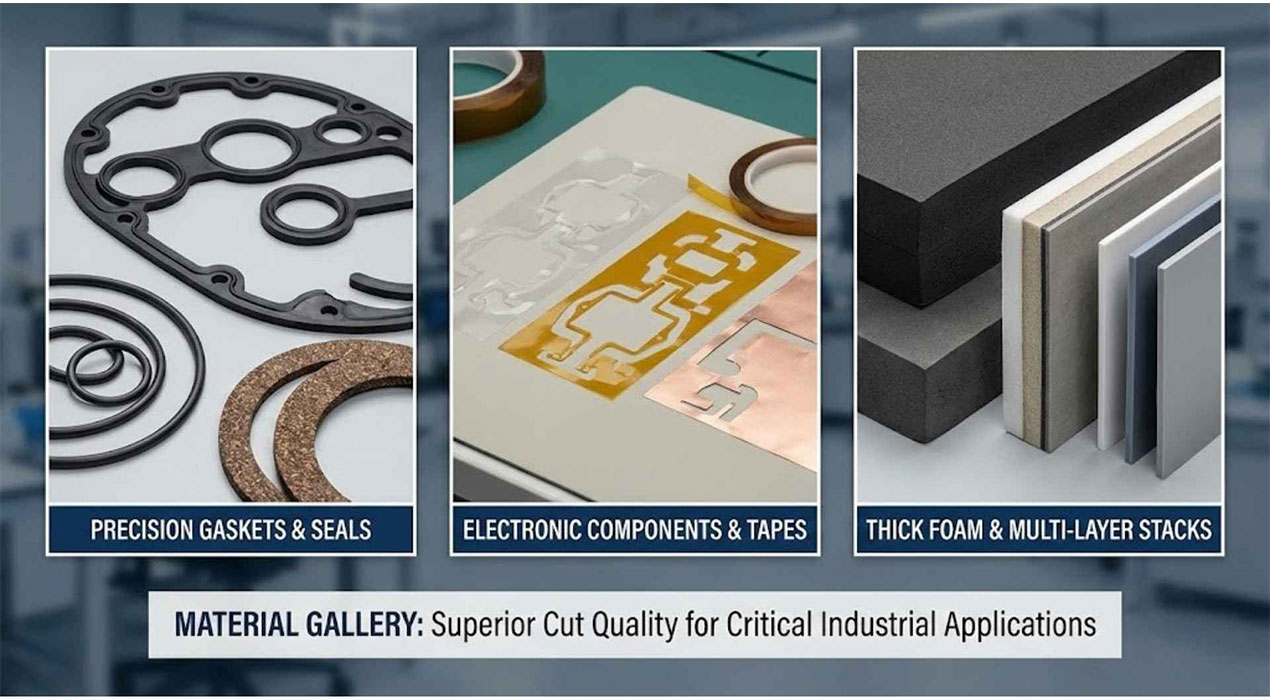
From heavy-duty gaskets to delicate electronic components, flatbed cutters are indispensable for:
- Plastic sheets (PET, PVC, PP)
- Rubber and elastomer components
- Foam and EVA materials
- Insulation and gasket materials
- Multi-layer laminated products
In these scenarios, rotary or laser systems often face limitations regarding cutting depth or material deformation, whereas flatbed systems deliver consistent, high-quality results.
When to Choose a Flatbed Die Cutter
Making the right investment decision depends on specific material and production requirements.
- Materials exceed the thickness limits of rotary cutters.
- Multiple layers must be cut simultaneously (kiss-cutting or through-cutting).
- High dimensional accuracy and edge quality are critical.
Recommended Flatbed Die Cutting Solutions
At Yi Cheen, we engineer specific systems tailored to the drive types and automation levels discussed above. Depending on your production requirements, here are our recommended configurations:
-
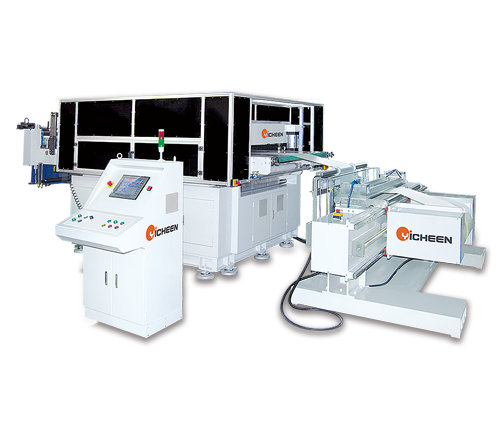
For Maximum Precision (Electronic & Servo)
Ideal for clean-room environments and tight-tolerance electronics.
-
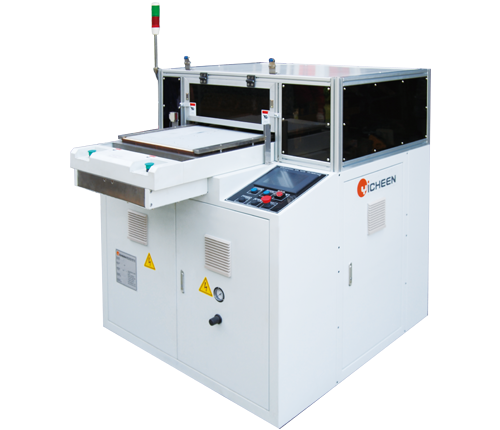
High Precision Die Cutting Machine (ED Series)
: Our flagship model featuring advanced servo control for the highest dimensional accuracy.
-
High Precision Die Cutting Machine
: Designed for consistent depth control and stability on delicate substrates.
-
-
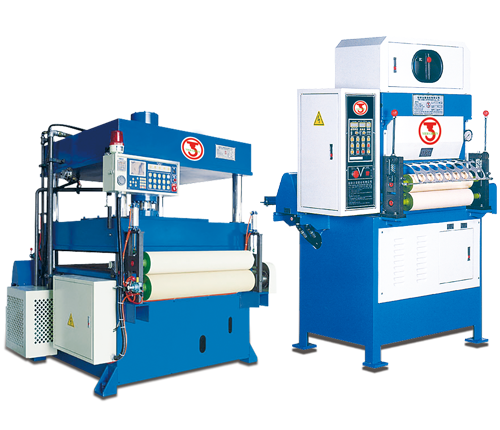
For Heavy-Duty Processing (Hydraulic)
Built for materials requiring high tonnage and uniform force distribution.
-
High Precision Hydraulic Die Cutting Machine
: Combines the immense power of hydraulic systems with precision engineering for thick or rigid materials.
-
-
For Efficiency & Safety (Feeding Systems)
Optimize your workflow with our advanced feeding mechanisms.
-
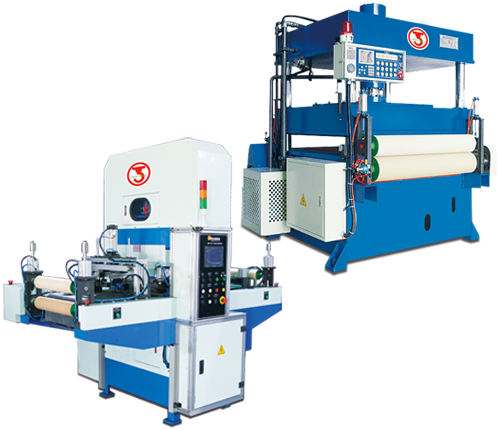
Hydraulic Die Cutting Machine with Sliding Table
: Features a sliding table design to ensure operator safety and easy placement of materials.
-
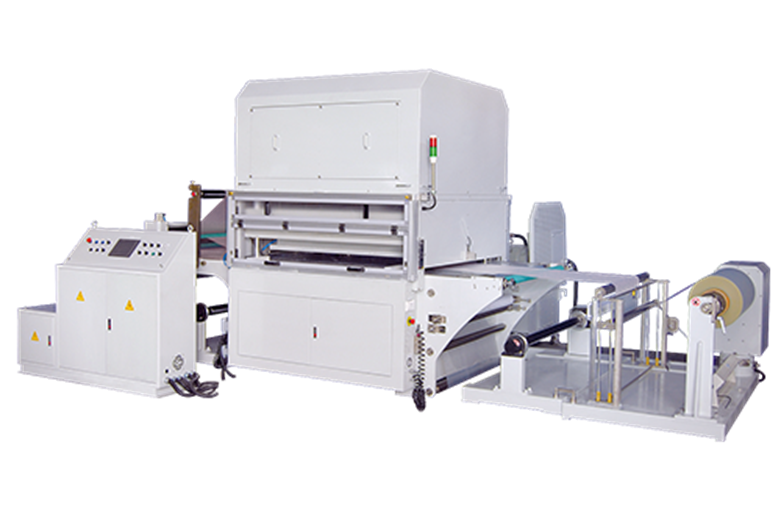
Hydraulic Automatic Feed Die Cutting Machine
: The ultimate solution for high-volume production, fully automating the material feeding process to maximize throughput.
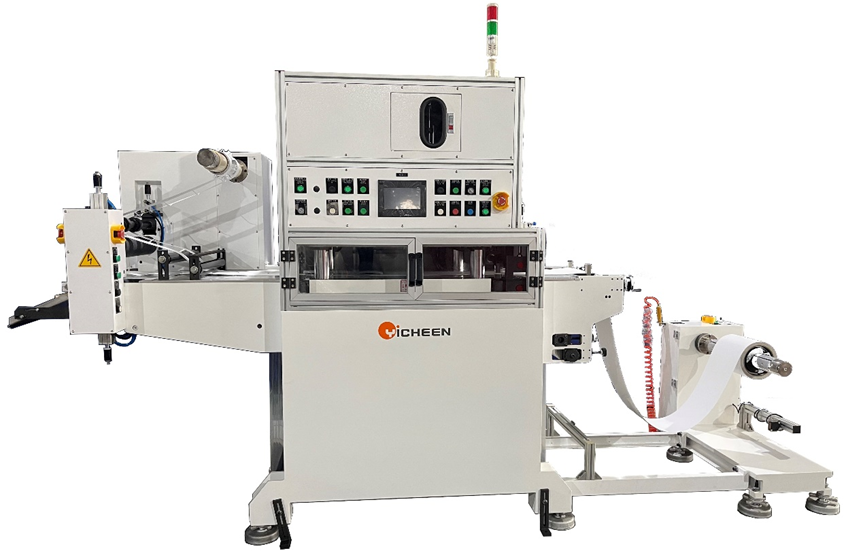
-
Optimizing Production with a Flatbed Die Cutting Machine
From heavy gaskets to delicate electronics, the flatbed die cutting machine delivers the uniform pressure required for flawless execution. Its ability to handle diverse material types makes it an indispensable asset for modern fabrication. To determine which system best fits your operational goals, deepen your understanding by visiting our full Industrial Die Cutting Machines Guide today, or contact us now!